 Almost all the tech giants are massively investing on chatbots and make them available for the use of general public in an efficient and easy way. Many development tools, SDKs and services are now available in the market to build your own chatbots. Microsoft QnA Maker is one of the most handy tools to get started for building a basic Question & Answer Bot.
 Microsoft QnA Maker was in public preview for quite a while and it came for general availability with the Build 2018 announcements. If you have bots that already built using the QnA Maker preview portal, just go and migrate the knowledge bases that you’ve created to the new portal that has attached to QnA Maker management Portal. Here’s the guide to do that.
Building a bot using is pretty straight forward. What you need to have is a set of question and answer pairs that you need to add as the knowledge base of your chatbot. Tw knowlesge base can be created manually using the online editor or you can just upload a question & answer pairs in CSV/TSV formats, a word document or even a product manual. If you want to add set of FAQs in a website, what you have to do is provide the URL of that for to extract the information.

Testing the knowledge base realtime
The created knowledge can be tested using the portal Realtime. The corrections for the classifications also can be done through the portal. One of the major advantages of QnA Maker service is that the bot knowledge base can be directly deployed on client’s Azure Tennent without spoiling any privacy or compliance issues.
Publishing the knowledge base would create a REST endpoint that you can access through Microsoft Bot Framework and then directly publish into a desired channel. The sample code for building a simple QnA maker powered bot is available here on GitHub.
 One of the promising feature comes with the latest updates is the “Small Talk” request response dataset from Microsoft. This can make your bot seems more intelligent and human like. (Even Mmmm… s 😀 ) You can select your desired personality from Professional, Friendly or Humorous and download the dataset as a TSV. Then add that to your existing knowledge base. This will give your bot a more human like touch. (Make sure to select the datasets that is specifically built for QnA maker)
The pricing for the QnA maker service is just charging for the hosting service not for the number of transactions. (Note that you’d be charge for the bot service separately 😉 ) You can refer more about pricing here. https://azure.microsoft.com/en-us/pricing/details/cognitive-services/qna-maker/
QnA maker is not the fully intelligent knowledge base building platform. But it can help you to come out with a fully functioning bot in minutes.
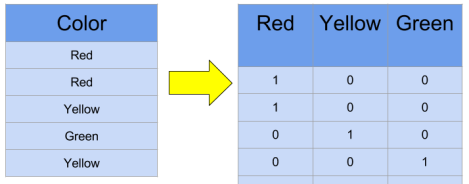 Data is the king in machine learning. In the process of building machine learning models, data is used as the input features.
 A common application of OHE is in Natural Language Processing (NLP). It can be used to turn words to vectors so easily. Here comes a con of OHE, where the vector size might get very large with respect to the number of distinct values in the feature column.If there’s only two distinct categories in the feature, no need to construct to additional columns. You can just replace the feature column with one Boolean column.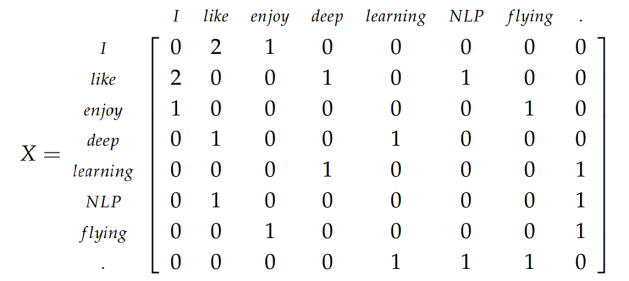
 When it comes to a machine learning or data science related problem, the most difficult part would be finding out the best approach to cope up with the task. Simply to get the idea of where to start!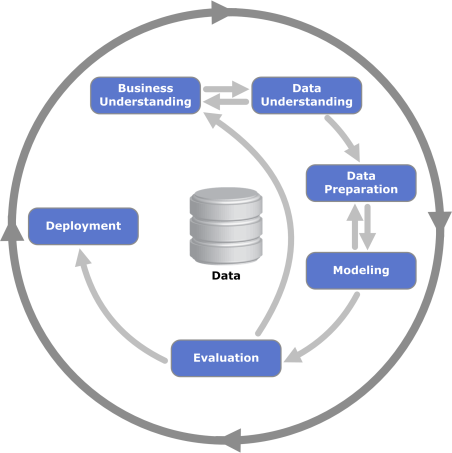
 2017 ended up making ‘chatbots’ not a trend but an essential in the tech world. With the rise of chatbots, building up effective natural language understanding (NLU) models is a must. LUIS is an admirable service from Microsoft Cognitive Services that can use for building NLU models.
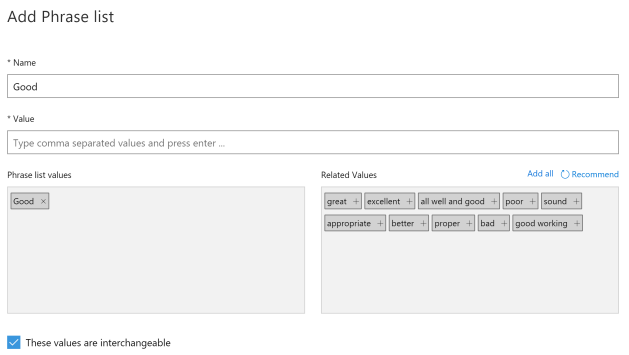 Another use of the Phrase list is to train the model the domain specific words. As an example, you can add a list of fruit names (Apple, Orange, Grapes) to a phrase list and give it a name. It’ll help the LUIS model to align according to the given domain.
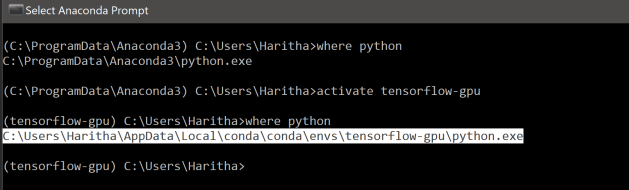
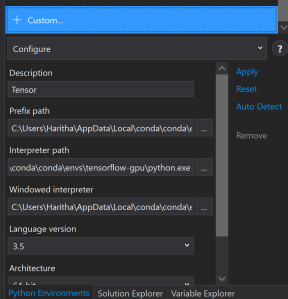
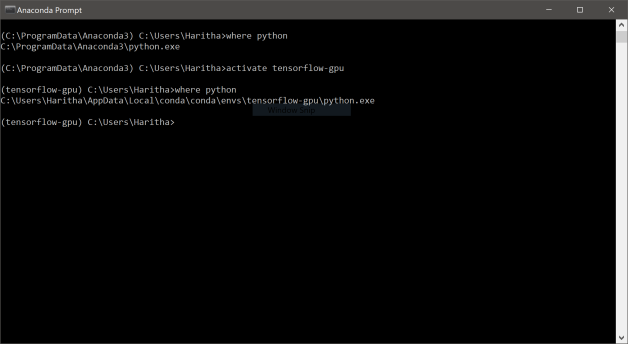
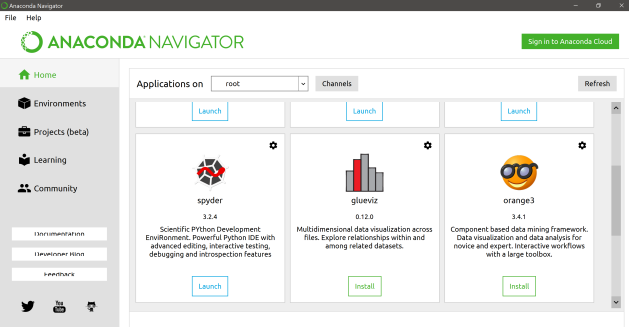
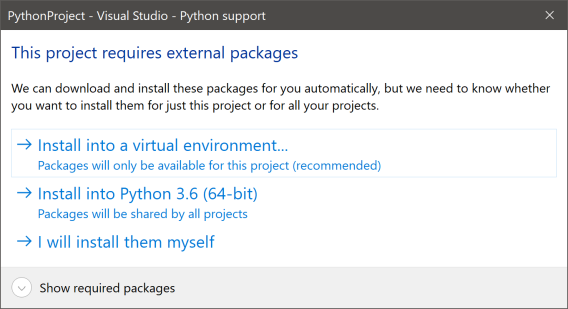 For the safe side, use python virtual environments. It would avoid many hassles occurs with library dependencies. I’ve used anaconda environment as the base of virtual environment.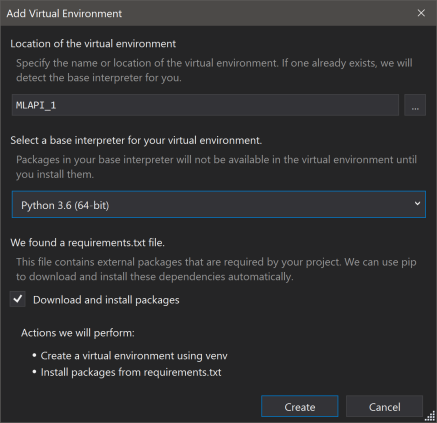
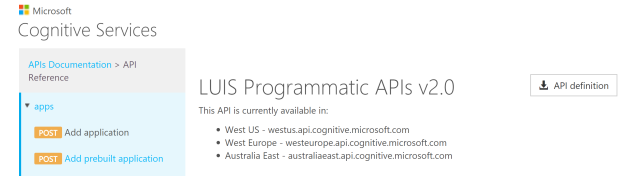
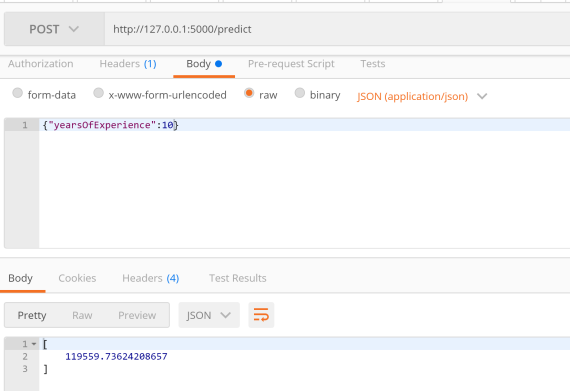
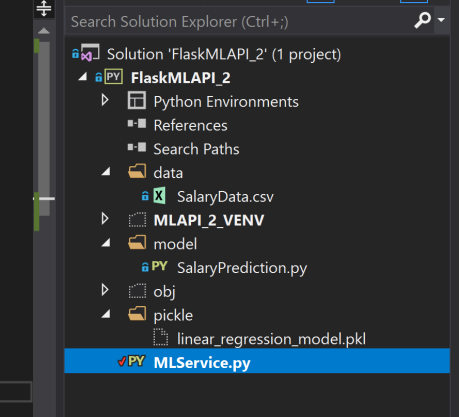 Here the API operates through POST methods which accepts the input in JSON.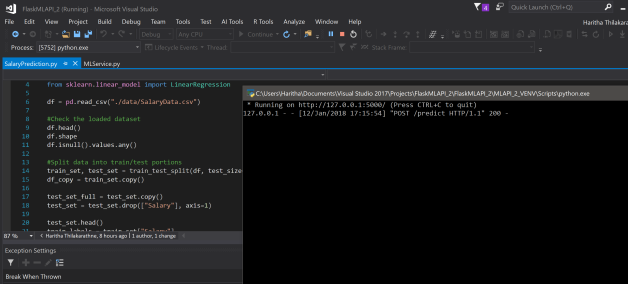
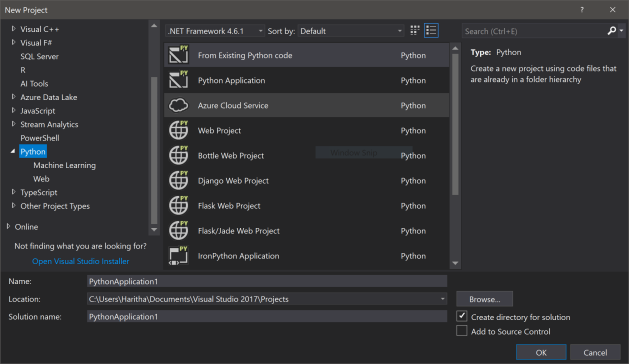 No need to purchase Visual Studio enterprise or ultimate. The freely available Visual Studio Community edition works fine. In 2017 version python comes along side with the default installation options. For the later versions you need to install Python Tools for Visual Studio (PTVS) separately.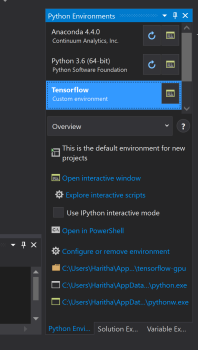
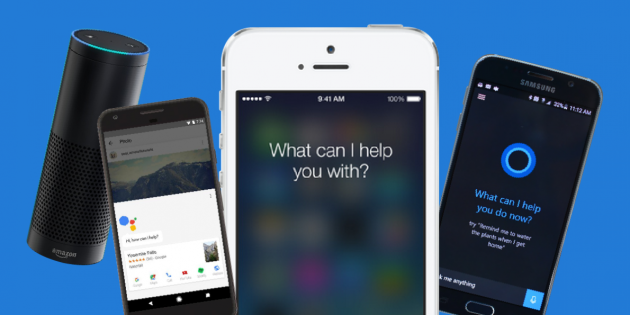
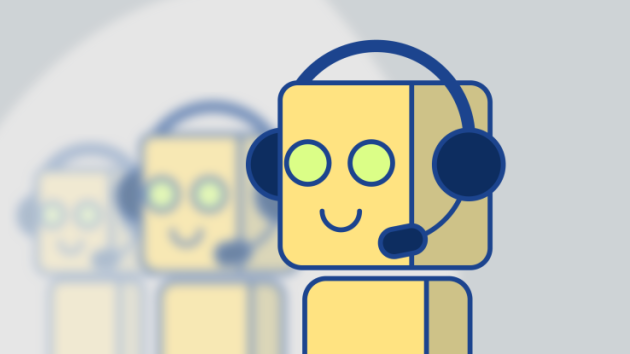 The word ‘chatbots’ has become one of the most whispered words in the tech world today. Each and every tech company is putting a lot of effort on researching and developing bot related technologies.
 NaadiSpeaks